Local Parkes Attractions
Parkes Shire is home to a diverse range of tourist attractions that will appeal to the whole family including the world famous Parkes Radio Telescope 'The Dish', the newly established Henry Parkes Centre tourism complex and the Peak Hill Open Cut Experience.
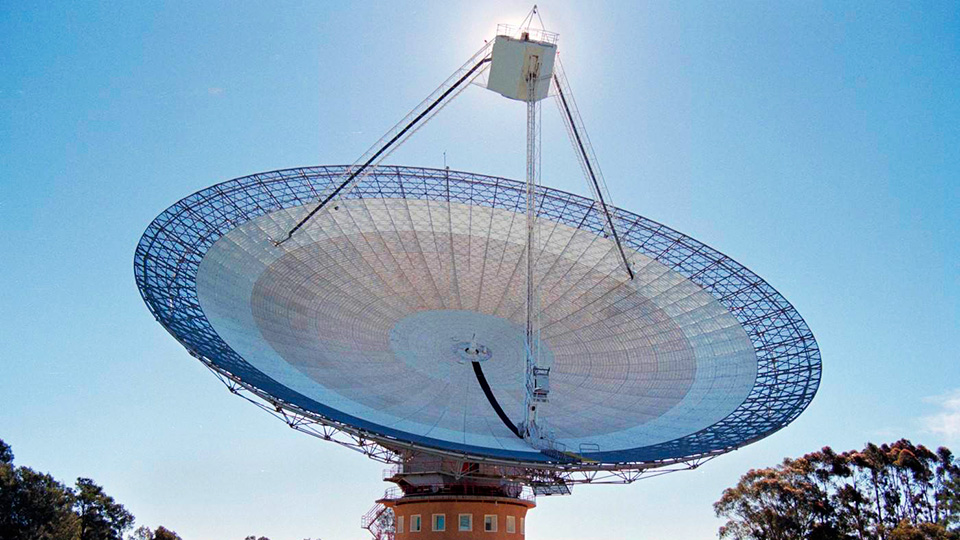
The Dish
The CSIRO Parkes Radio Telescope, star of the movie 'The Dish' (2000) is one of Australia's most prominent landmarks and a must-see attraction on every driving holiday through inland NSW. The giant dish stands impressively over surrounding farmlands - a sophisticated piece of scientific equipment ironically in the middle of sheep paddocks! Located 20km north of Parkes, a is a short 5km detour off the Newell Highway.
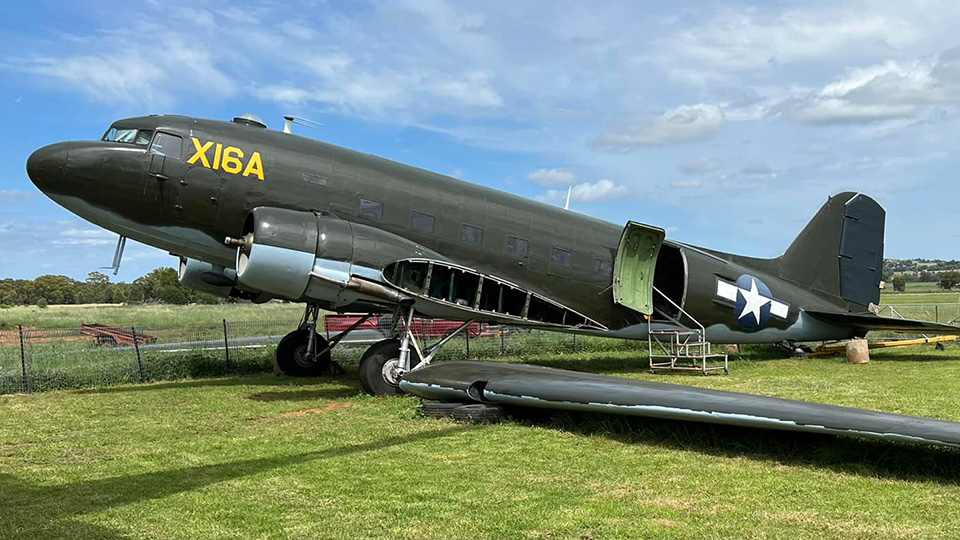
Parkes Aviation Museum
Parkes has a long history in aviation, the first aircraft to land at Parkes was a Sopwith Camel piloted by aviation pioneer Sydney Pickles in 1919.
The HARS Parkes Aviation Museum is located at the end of Muzycuk Drive at Parkes Airport. It is currently housed in a former RAAF hangar from the airport’s time as a World War Two Air Force base.
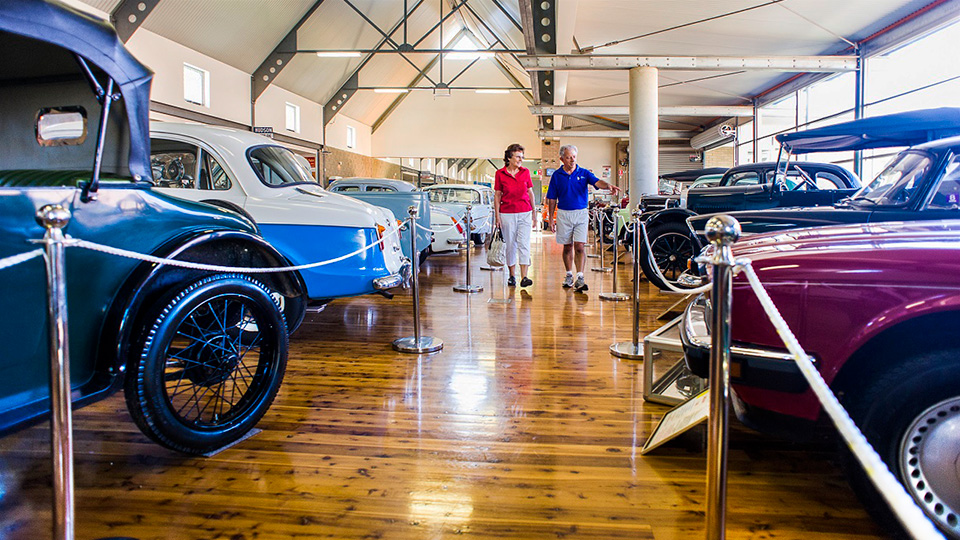
The Henry Parkes Centre
The Henry Parkes Centre is a modern tourism complex and cultural precinct located on the northern side of town, incorporating 4 museums and the Parkes Visitor Information Centre.
The King's Castle Elvis Exhibit and Parkes Motor Museum adjoinits it and one pass gains entry to both of these impressive collections.
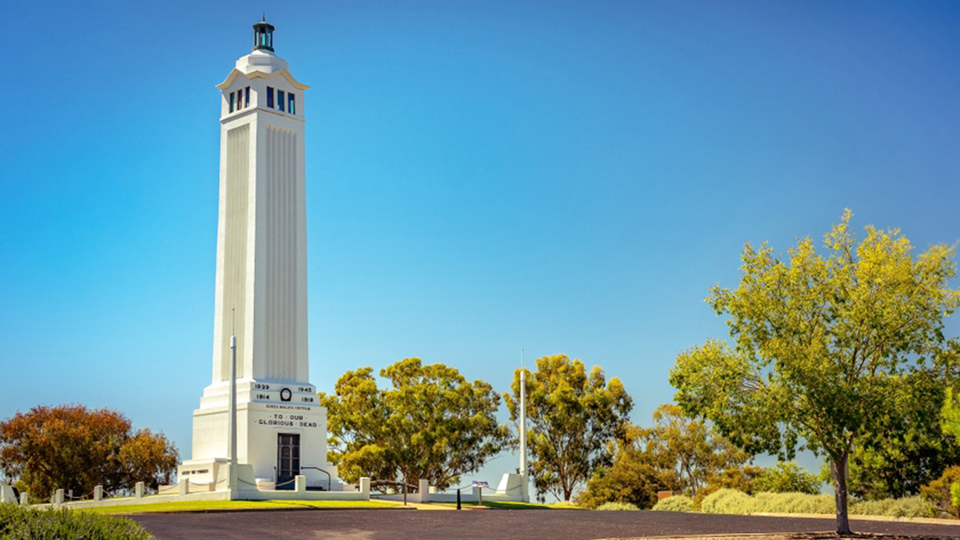
Memorial Hill
Memorial Hill provides the best vantage point for magnificent views over Parkes and the surrounding farmlands. It is the most visible landmark in town, with its 33-metre high Shrine of Remembrance standing tall over Parkes.
It is undoubtedly the most significant symbol of wartime history in Parkes and attracts many visitors each year to pay their respects to fallen soldiers, and enjoy the serenity of the surrounding area.
Wiradjuri Amphitheatre
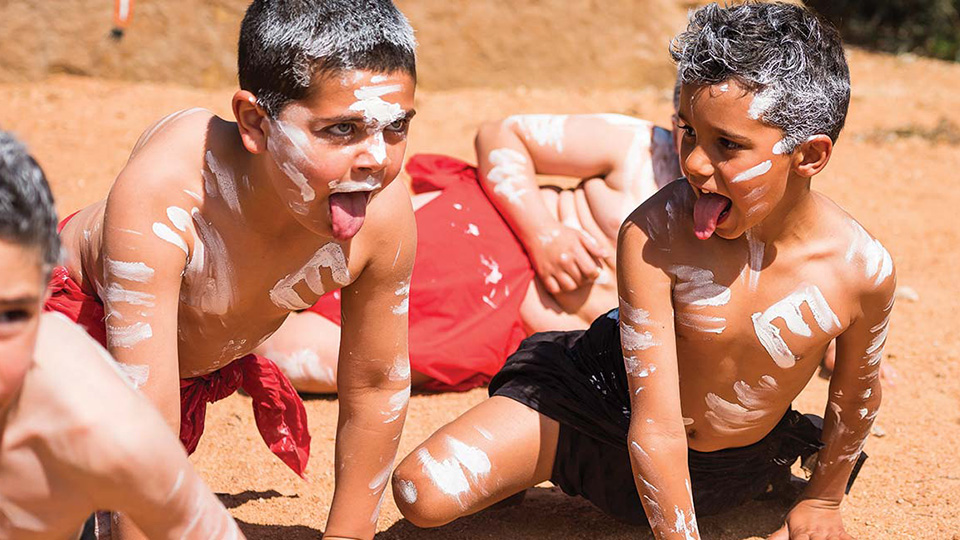
Learn about the local indigenous culture of the Wiradjuri people at the amphitheatre facility at the southern side of Bushman Hill (access from Wentworth Street).
Marvel at the indigenous artwork created by local Wiradjuri artists, take in the ambience and spirituality of the site. Explore the newly established Wiradjuri Garden named 'Garradyang'.
Peak Hill Gold Mine Experience
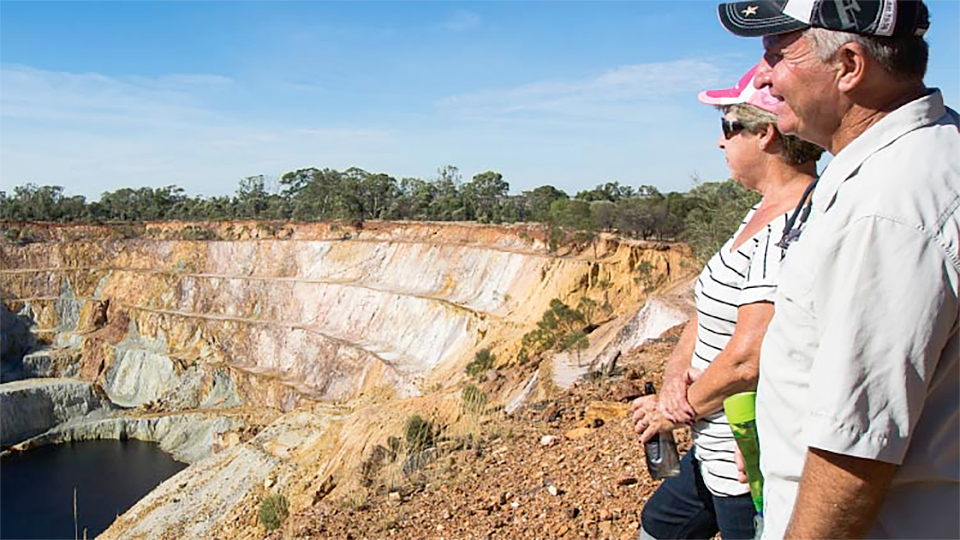
Located just 400 metres from the main street of Peak Hill, Caswell Street, historic Peak Hill provides a great example of mining techniques used historically and today.
The mine operated between 1893 and 1917 producing about 60,000 ounces from 500,000 tonnes of rock. Alkane re-excavated for gold on the site between 1996 and 2002 retrieving 145,000 ounces gold from 4.9 million tonnes of rock.
A Proud History
Parkes and the surrounding smaller towns combine as a progressive regional hub; from our foundations as an early gold discovery settlement, to our roots in the agricultural engine room of NSW; our anchor as an inland transport hub and our rich mining landscape.
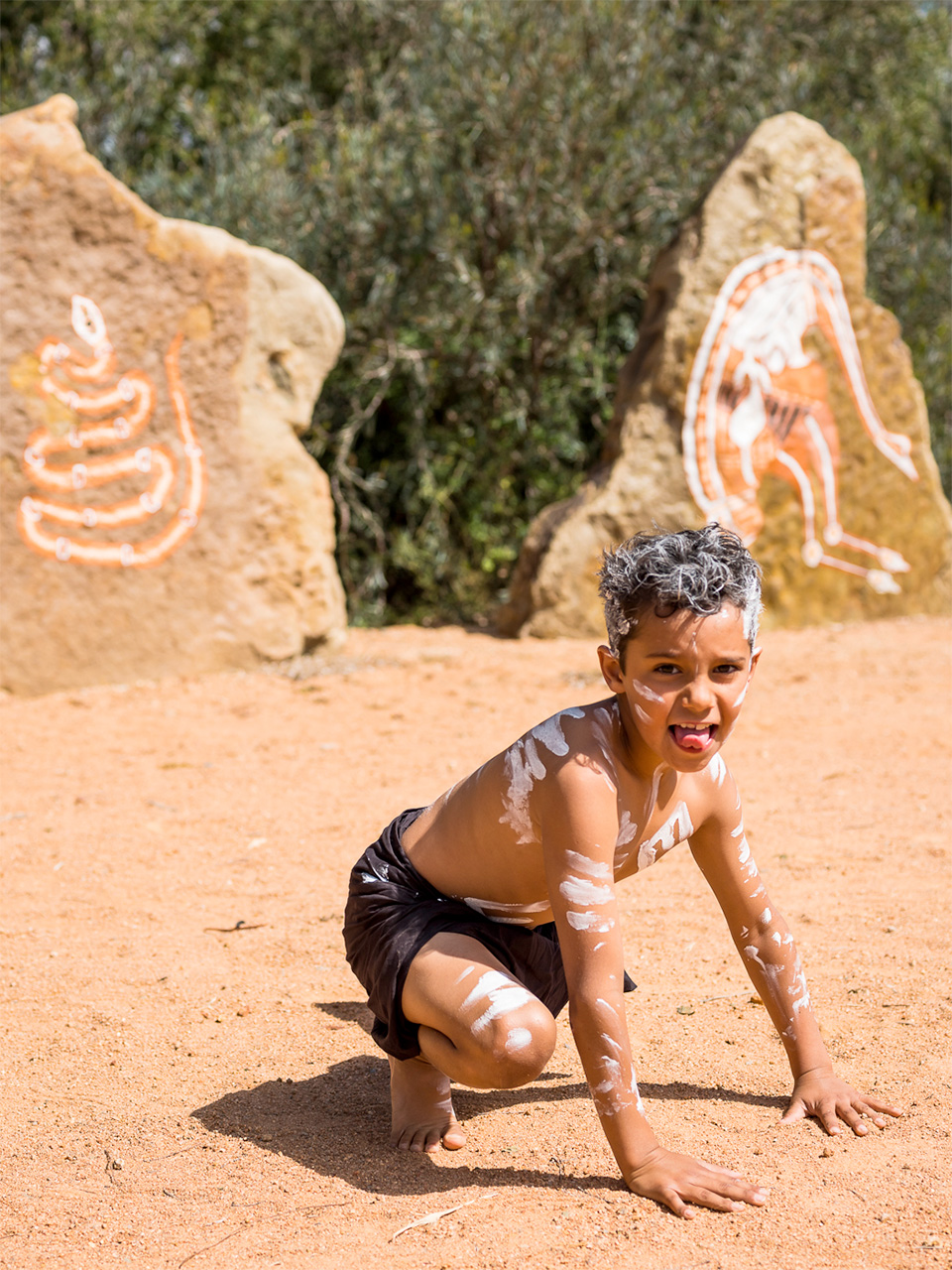
The traditional owners of the Parkes Shire region are the Wiradjuri people who have lived in these lands for more than 40,000 years. Wiradjuri culture is alive in the community with the language being taught in our local schools and public spaces featuring traditional artworks and storytelling.
In 1862 when the discovery of gold led to a hastily erected ‘canvas’ town known as “Currajong” which accommodated thousands of hopeful gold seekers. A further discovery of gold in 1871 at the nearby Bushman’s Gold Mine helped the district to become one of the richest gold producing areas in the colony.
In 1873 the then Premier of New South Wales, Sir Henry Parkes, showed his interest in the district by visiting the diggings. On December 1, 1873 the name of the settlement was changed from Bushmans to Parkes in honour of the great statesman. Sir Henry Parkes visited Parkes in 1887 and gave the town the Fontana Bust, which is displayed at Parkes Shire Council. In that same year Parkes changed the name of its main street to ‘Clarinda’ - lady Parkes’ Christian name.
Parkes' sister city relationship with Coventry in the UK was initiated in 1939 and is the oldest sister city link of any Australian town or city. The link was forged as Coventry was the birthplace of Sir Henry Parkes, in 1815. A replica of Sir Henry Parkes' birthplace, the Moat House Cottage can be seen when visiting the Henry Parkes Centre, alongside the Parkes Visitor Information Centre.
Also visit the landmark bronze statue of Sir Henry Parkes that stands proudly in the Parkes CBD at the intersection of Clarinda and Welcome Streets.